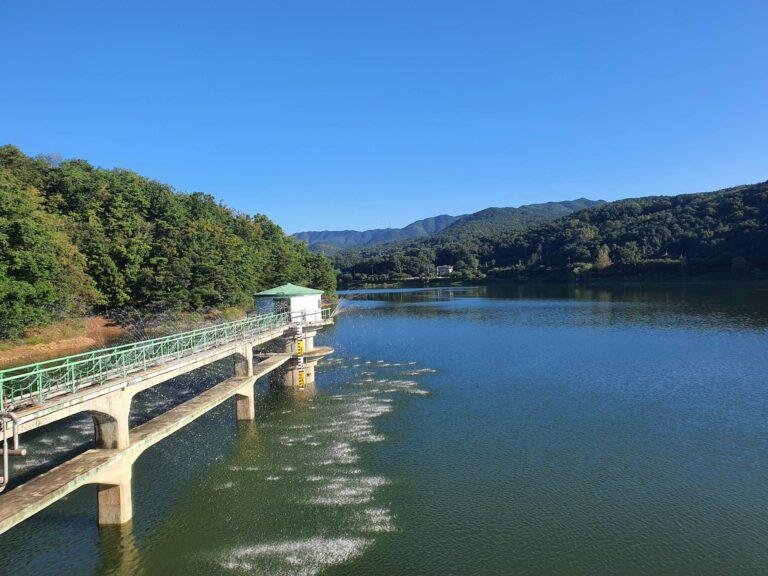
My first time saying Welcome to Incheon! felt like stepping into South Korea’s true gateway to the world. Incheon is not only home to the country’s largest international airport and a bustling port, but also a lively hive of activity. But beyond its transport terminals lies a city rich in heritage, culinary delights, and breathtaking landscapes.
There’s an abundance of things to do that will leave you enchanted. I love starting from exploring the charming streets of Chinatown, then marveling at the futuristic architecture of Songdo, where Central Park offers a diverse range of experiences.
You can Wander through ancient temples, savor delectable street food, or take a ferry to one of the many nearby islands, making it not just a transit point. It’s a real destination on its own right, always waiting to be discovered.
What to Do in Incheon Korea? 5 Best Things I Recommend To You
If you’re heading to Incheon and want the real highlights, here are the five spots I always recommend after exploring the city myself:
- Chinatown — wander the historic streets and try the original jjajangmyeon; it hits different here.
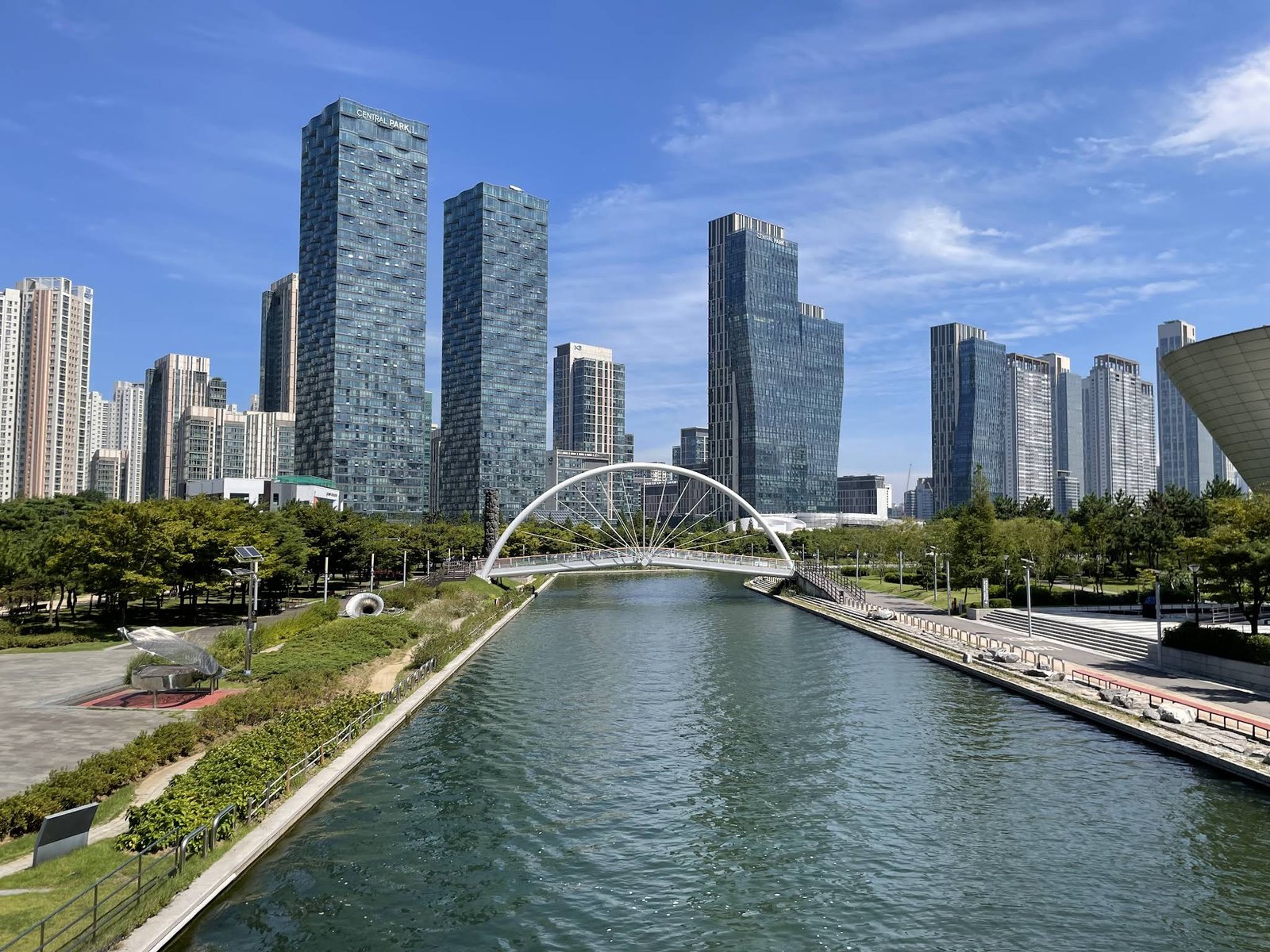
- Songdo Central Park — cruise the canal, stroll past futuristic architecture, and vibe with the skyline.
- Incheon Grand Park — my go-to escape for quiet trails, fresh air, and easy scenic walks.
- Songwol-dong Fairy Tale Village — a super colorful spot that’s basically made for fun photos and laid-back exploring.
- Wolmido Island — perfect for rides, street food, and sunsets that honestly seal the whole experience.
Whenever I go back, The best times to visit truly are during spring (April, June) and autumn (September, November) when the weather turns pleasant, and the city becomes adorned with cherry blossoms or glowing fall foliage!
1- Exploring the Soul of Incheon Chinatown
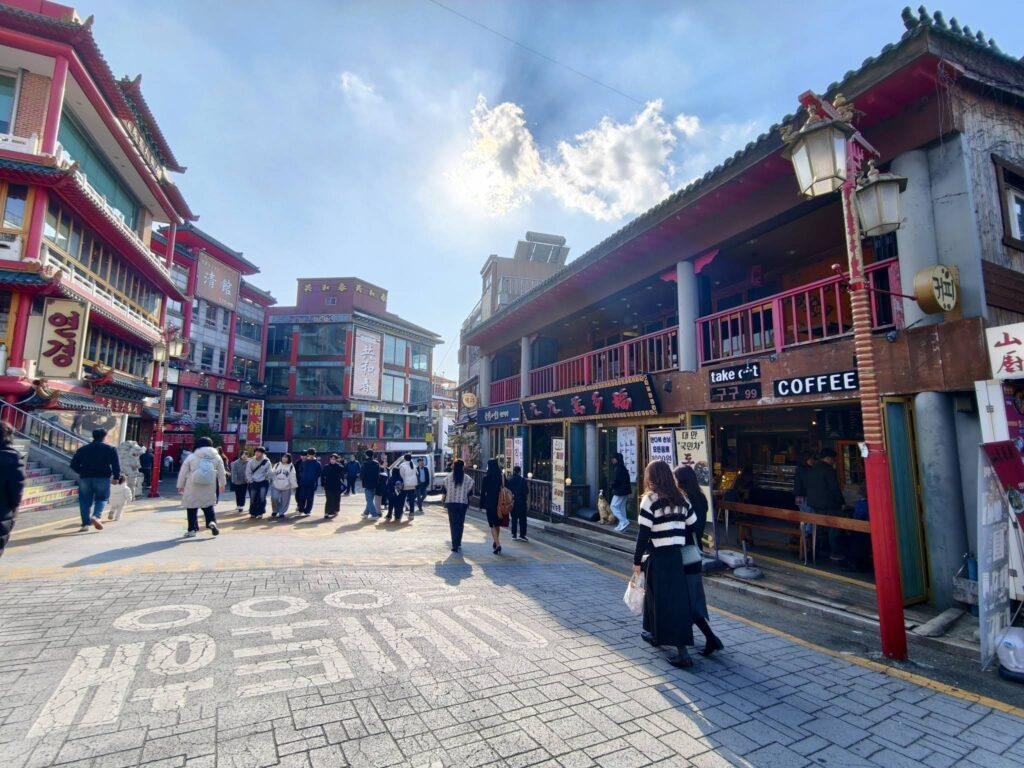
When you Step into Chinatown in Incheon, the first thing you feel is the aroma in the air and the way the streets tell stories of Chinese immigrants, early Chinese immigrants, and the days of 1883, 1884, and 1901. The whole area blends Korean cultures and Chinese cultures into a vibrant and colorful tapestry, shaped by its rich history near the harbor and port where the Incheon Landing once played a major role in the Korean War.
Passing under the Paeru, the main gateway, you’ll see red lanterns, vibrant murals, murals, and traditional Chinese architecture filled with dragon motifs. I often walk around here just for the panoramic views, especially near Jayu Park, where the Statue of General Douglas MacArthur overlooks the city, the parks, and the community.
Food is the heart of this place. It’s the birthplace of jjajangmyeon, so trying Jjajangmyeon, JJajangmyeon, or visiting the Jjajangmyeon Museum with its interactive exhibits is a must.
I love diving into dishes with black-bean sauce, noodles, meat, and caramelized vegetables, and grabbing Baozi, steamed buns, Tanghulu, or candied fruit skewers from small shops that serve authentic Chinese cuisine and authentic dishes. Restaurants like Jageum-seong, Junghwa-ru, and Jinheung-gak always tempt me to indulge more than I planned.
As you explore the area, you’ll spot places like the Cultural Center of Jung-gu, the old Japanese Jeil Bank, the Japan 58 Bank, and the Annex Building of Tourist Development, each adding to the area’s cultural significance, history, and evolution.
Festivals here are unforgettable parades, traditional performances, festivals, celebrations, and lion dances fill the streets with movement and sound, turning the neighborhood into a vibrant celebration of Korea and its lasting fusion of cultures.
If you enjoy collecting things, the souvenirs, handicrafts, traditional handicrafts, and teas make it easy to bring a piece of the place home. And as people go about their daily life, sharing meals, telling stories, and keeping traditions alive, you get a real sense of how immigrants shaped this corner of the city.
2- Stroll Through Songdo Central Park
Visiting Songdo Central Park always feels like hitting pause on the urban hustle, even though it sits right inside Incheon’s international business district. The place is a sprawling green oasis with an eco-friendly space, lush lawns, and calm walking paths that remind me of a futuristic take on New York’s Central Park. The whole landscape feels inspired, shaped by soft winds and the city’s innovative heart.
I like starting near the seawater canal, where you can rent a water taxi, hop on a canoe, or take a transparent kayak to glide along the canal for a unique perspective of the city’s impressive skyline. Everything becomes beautifully illuminated at night, creating a soft glow that turns the area into a romantic ambiance perfect for slow evening excursions.
The area blends nature with bold design, from futuristic architecture to nearby buildings like the Tri-Bowl, known for its three bowl-shaped structures representing sky, sea, and earth. And of course, the Northeast Asia Trade Tower, or NEATT, stands tall among Korea’s tallest skyscrapers, a spot I always admire for its perfect symmetry.
Families love the quieter corners, especially Rabbit Island, where visitors can meet and feed the friendly bunnies roaming freely. Kids rush toward the Children’s Playground, complete with modern equipment and thoughtful safety features.
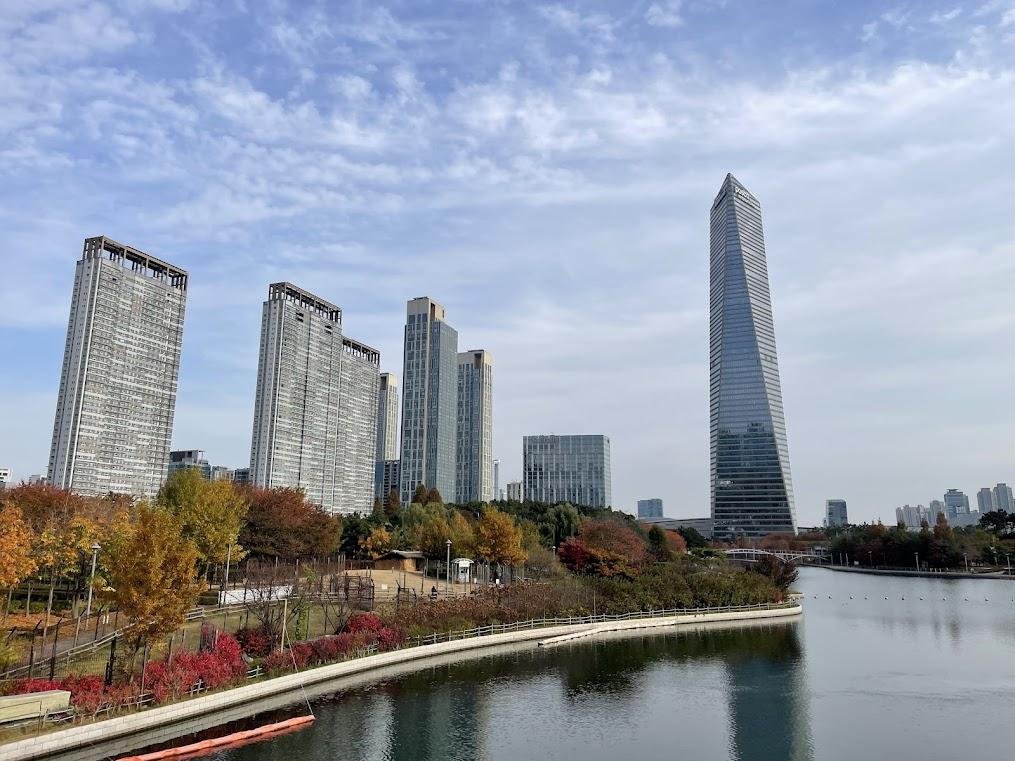
Depending on when you go, the seasonal flower gardens shift from tulip displays in spring to chrysanthemum gardens in autumn, adding rich bursts of color that stay throughout the year and make the area feel like a second home.
If you want to slow down, there’s boating, cycling on designated paths, or a simple leisurely picnic on the expansive lawns all part of the park’s casual Leisure Activities that let you truly enjoy the space.
The surrounding Architectural Marvels, the cutting-edge building designs, and the mix of sustainable and innovative engineering are worth a pause just to witness and showcase how modern the city has become.
Because it’s fully Family-Friendly, you’ll find plenty of open space, activities for children, playgrounds, and fun interactive art installations, including mini stops that kids instantly gravitate to.
And once the evening arrives and the park illuminated glows with soft lighting and bright LED installations, the place transforms into a magical atmosphere, ideal for a romantic stroll or some stunning photography if you visit at the right time. The lights feel like they’re creating moments for everyone just a tiny Tip, stay a little longer than you planned.
3- Discover the Incheon Grand Park
Every time I compare the best things to do in daejeon south korea with what you get at Incheon Grand Park, I end up coming back here. Tucked between Gwanmosan and Sangasan mountains, this urban escape is the city’s largest park, and stepping inside feels like taking a deep breath of fresh air far away from the bustling metropolis. Spread across 727 acres, it’s lined with vast lawns, a tranquil lake, and well-maintained trails perfect for walking, jogging, or cycling.
One of my favorite stops is the Incheon Grand Park Children’s Zoo. Watching animals like deer, peacocks, rabbits, and exotic birds never gets old. The educational programs and interactive experiences genuinely help children grow an appreciation for wildlife.
Nearby, the Botanical Garden offers a stunning mix of plant species, including tropical plants, cacti, and seasonal flower displays, while the Greenhouses guide you through diverse ecosystems all year-round.
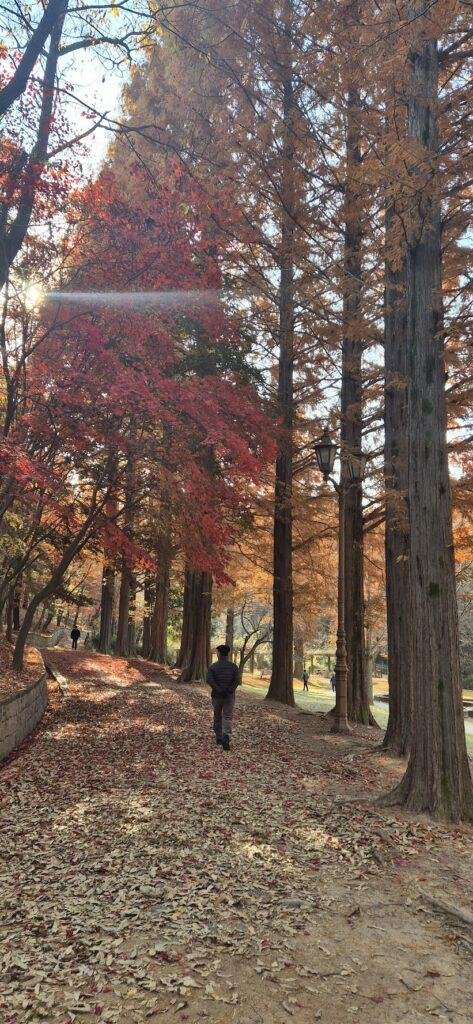
Season changes the whole mood here. Winter turns the park into a snowy wonderland filled with sledding and snow-related activities. During warmer months, you can take out paddleboats for rent, then catch open-air concerts and cultural events at the amphitheater. The Picnic areas with tables and barbecue facilities stay a popular spot for family gatherings and casual hangouts.
If you’re into movement, the Outdoor Activities are endless. Hiking trails lead toward mountain peaks with unreal panoramic views, while cycling paths connect scenic routes across the park. With its Family-Friendly Attractions, including the zoo, playgrounds, and educational centers, it’s the kind of place where everyone finds something good.
The park shines with Seasonal Beauty cherry blossoms in spring, vibrant foliage in autumn, and colorful flower festivals all year. And here’s a real Tip: Rent a bicycle from the park’s rental shop, go in the Early mornings or on weekdays, and you’ll enjoy a less crowded, genuinely peaceful experience.
4- Explore the Songwol-dong Fairy Tale Village
Every time I visit Incheon, the storybook vibe of Songwol-dong Fairy Tale Village brings back my childhood love for classics. The whole neighborhood was revitalized in 2013 through an urban regeneration project, transforming it into a whimsical destination that appeals to all ages. Its themed streets and lively murals, sculptures, and characters make even casual walks feel special.
You’ll spot Cinderella, Pinocchio, Snow White, and The Little Mermaid surrounded by colorful houses, painted stairways, and fun 3D installations that create immersive scenes perfect for memorable photos.
I always stop at the interactive elements, like benches shaped like storybook characters and quirky doorways leading into magical realms, because the charm here is hard to ignore.
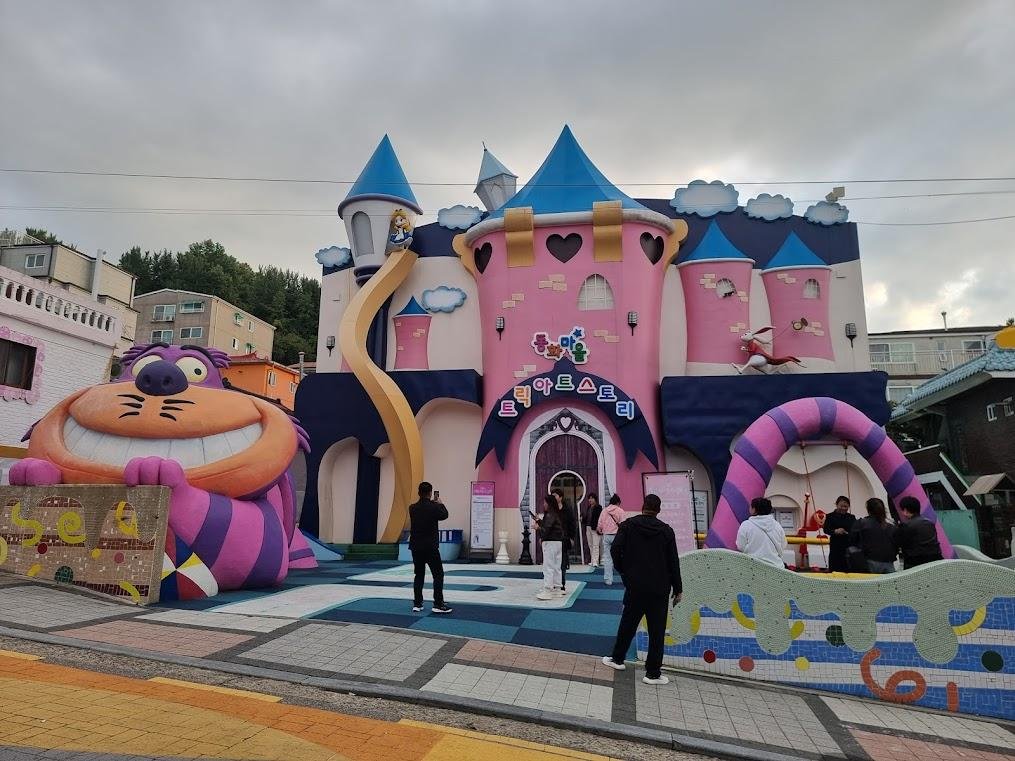
The village is full of local shops offering themed souvenirs, handmade crafts, and sweet treats like cotton candy and ice cream. When I need a break, I slip into one of the cafes decorated with fairy tale motifs these cozy spots are perfect to rest, enjoy, and grab refreshments before wandering again.
Art lovers should look for the Artistic Murals, with over 50 pieces of vibrant street art, each telling its own story. It’s super family-friendly, and both kids and the young at heart enjoy the interactive experiences and playful environments scattered around.
If you’re after great shots, the photography spots and colorful settings make it easy to create creative memories. I recommend visiting on weekdays to avoid crowds, and arriving in the early mornings when the lighting is soft and the quieter atmosphere makes everything feel more magical. And just like exploring this village, discovering things to do in gwangju korea also brings that same sense of fun and curiosity.
5- Visit Wolmido Island
Every time I head to Wolmido, the mix of marine scenery and a lively coastal atmosphere hits instantly. I love starting with a relaxed stroll along the water, passing vendors, travelers, and street performers creating quick caricatures.
The scene feels almost picturesque, especially when the sunsets wash the coast in vibrant colors, making it perfect for slow moments of photography and people-watching.
The energy shifts fast when I reach Wolmido Theme Park, where rides, games, and loud laughter take over. The roller coasters, bright lights, and huge ferris wheel bring out the kid in everyone families, couples, and even solo travelers chasing simple fun. Whenever I hear the park calls, I give in, because the thrills never get old and the view from the top during sunset is honestly unbeatable.
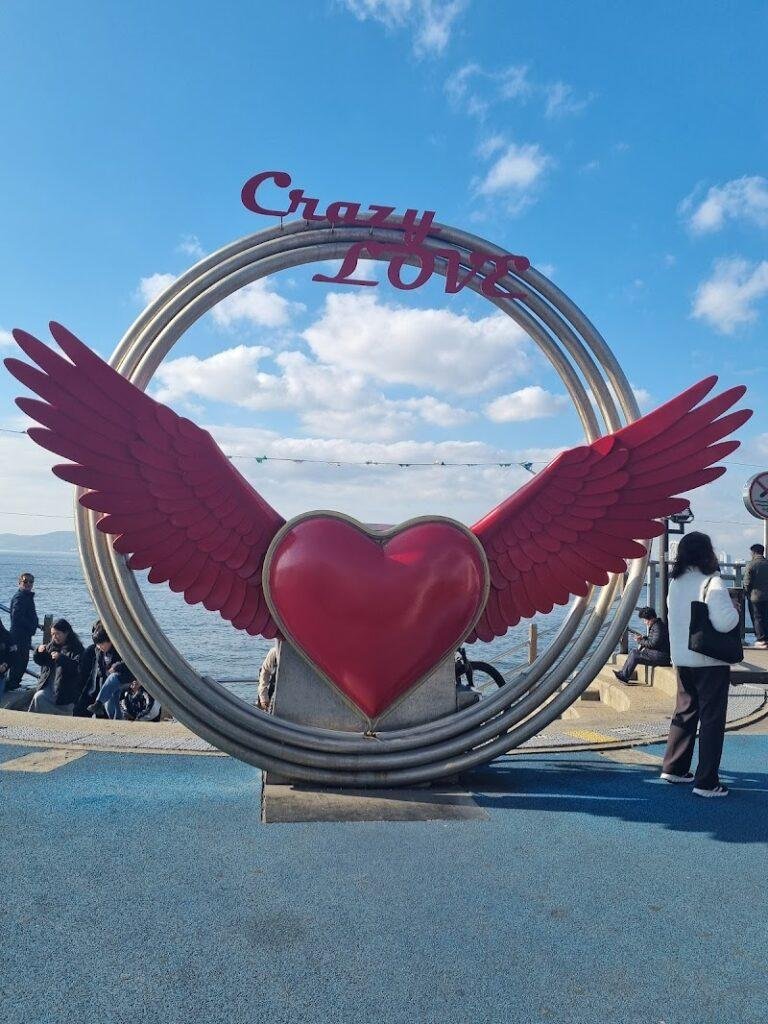
But when I want a break, I head into Wolmi Traditional Park, which feels like a hidden haven. Traditional Korean gardens, soft paths around a quiet pond, and wooden pavilions offer a truly serene escape. I find myself pausing at the observation decks to gaze at ships entering the port, the horizon, and the still water a simple kind of escapism that works every time.
Food is another reason I always return. The smell of street food wraps around the walkway, especially near the seafood eateries and restaurants. I never skip the fresh catches, grilled mackerel, mackerel, steamed clams, or the comforting bowls of seafood stews and spicy seafood stews.
For something heavier, I go for full full-course meals at the bigger seafood restaurants, where every bite feels rooted in Incheon’s local specialties and cultural heritage.
I usually end my visit at culture street, surrounded by artists, local artists, street art, and traditional crafts. The mix of traditional touches, small cafes with outdoor seating, and soft music from musicians and other entertainers makes it a good place to pause before heading home.
Sometimes I walk the walking trails just to stretch out the experience a bit more, soaking in the textures, techniques, and charm that make Wolmido feel complete.
6- Visit the Sorae Ecology Park
Whenever I visit Sorae Ecology Park, I’m always struck by how a once-bustling salt production site became a transformed, protected wetland area teeming with wildlife and natural beauty.
The place covers over 1.56 million square meters, featuring expansive tidal flats, reed fields, and quiet marshes that provide habitats for various bird species, including migratory birds like herons and egrets.
You move along Wooden boardwalks that guide you through tall reeds, allowing you to observe the ecosystem up close without disturbing anything. The iconic red windmills, remnants of the old farm era, stand majestically at the horizon, making perfect picturesque backdrops with a touch of nostalgia.
If you want to Learn more, the area’s history comes alive at the Salt History Museum, which offers exhibits on traditional farming techniques, old tools, and the lives of salt workers.
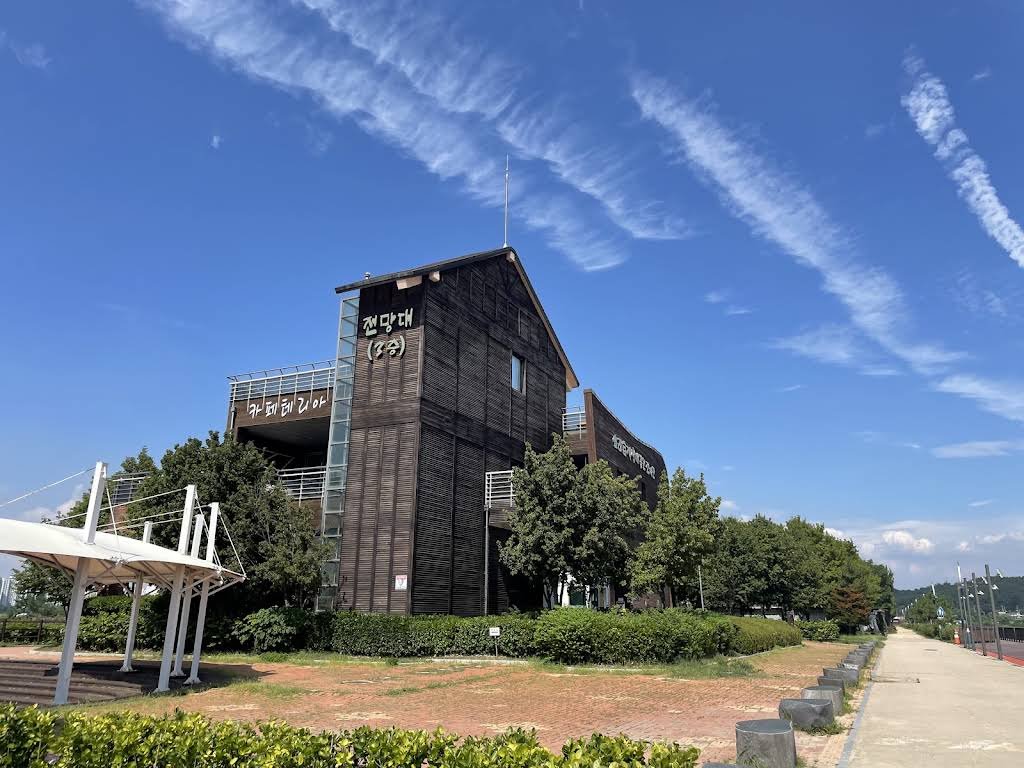
They also provide educational programs, hands-on activities, and salt harvesting demonstrations that make the visit even more memorable.
For Nature lovers, this is pure Exploration heaven you can Observe over 70 types of aquatic life in their habitat, an ideal setup for birdwatching enthusiasts. The Scenic Beauty shifts as vast colors change with seasons, offering truly stunning landscapes especially at sunrise and sunset.
These Educational Visits help you Gain insight into the importance of wetlands through interactive experiences. Quick Tip: Bring binoculars, wear comfortable shoes suitable for walking, and pack Insect repellent and sunscreen, which are definitely recommended during the warmer months.
7- Explore Ganghwa Island
Whenever I talk about what to do in suwon south korea, I always end up recommending a trip to Ganghwa because this Island blends history, heritage, and natural charm better than anywhere in Korea.
Walking near the ancient dolmens, built with massive megalithic structures during the Bronze Age, feels surreal those silent tombs still provide insight into prehistoric practices and social life dating back centuries, which is why so many are listed as UNESCO World wonders.
The island is the fifth-largest in the country and a real treasure with a range of attractions. In spring, I always head to Goryeosan Mountain for the Azalea festival, where the vibrant pink flowers cover the slopes like blankets.
The trails are suitable for all levels, and the breathtaking views of the Sea to the West and the surrounding landscapes make the hike worth every step, no matter your fitness level.
If you’re curious about context, the island’s History is easy to follow at the Museum, always displaying old artifacts that tie everything together. One place I never skip is Jeondeungsa, the oldest temple, built in the 4th century.
The ornate pagodas, peaceful trees, and soft ceremonies create a quiet atmosphere where you can immerse yourself in traditional Buddhist rhythms, sip herbal tea, try simple meditation, or participate in gentle rituals.
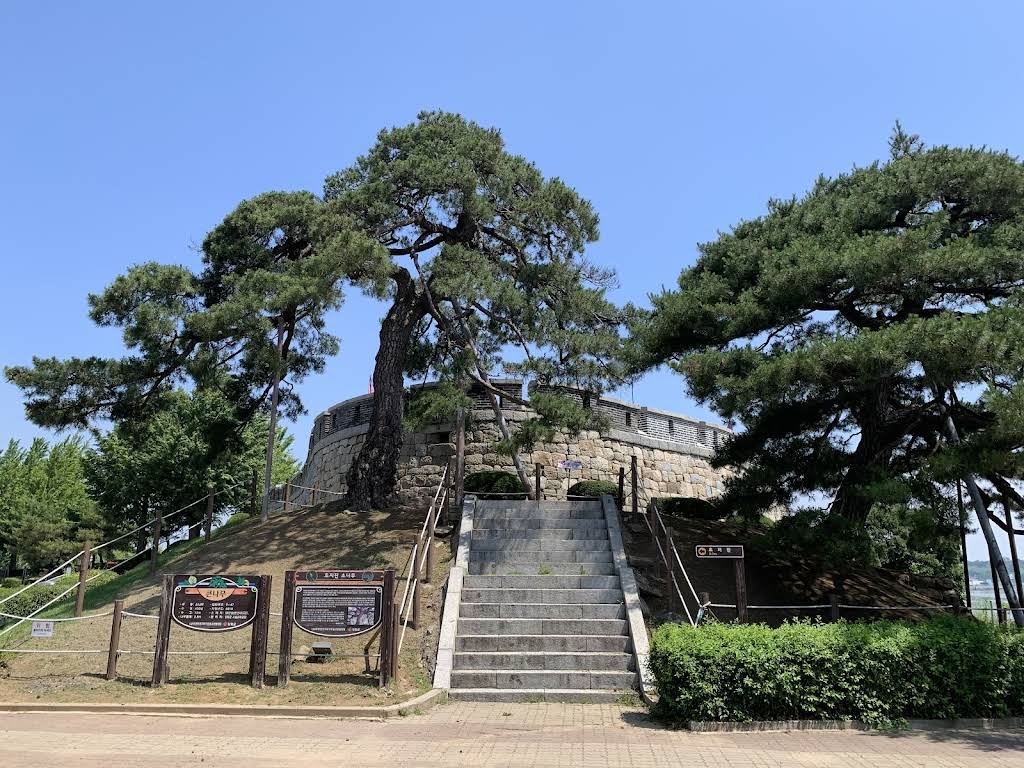
The older side of Ganghwa also lives through the coastal fortresses of Chojijin and Deokjinjin, each carrying powerful historical stories. After that, I usually wander to the wetlands, mountains, and the soft sandy stretches near Dongmak Beach. The coastal path and open scenery make it easy to just breathe and enjoy the quiet beaches.
Ganghwa’s local charm shows up strongest in the markets, where regional specialties and crafts shine especially the handwoven sedge mats called Hwamunseok.
Whether you spend a full day or make an overnight stop, getting around is simple with a car, a guided tour, or even public transportation, though routes can be limited. Just allocate enough time, consider the slower pace, and let the island’s complex but serene rhythm shape your travel.
8- Visit the Incheon Landing Operation Memorial Hall
Whenever I’m exploring new cities, I like to mix classic attractions with lesser-known stories, and this place delivers both. Even though people often search for things to do in gwangju korea, I always tell them that Incheon has its own powerful narrative worth experiencing.
Here, you can Learn about the Korean War and Incheon’s strategic role through comprehensive exhibits that walk you through the events that shaped modern Korea. I still remember my first arrival, stepping inside and seeing the personal items and military equipment displayed each object holding tangible connections to history.
When you See what soldiers carried and what they fought for, it hits different. The English-language materials may be limited, so planning ahead always enhances the experience.
The hall’s location on a small hilltop near the port gives it a surprisingly reflective vibe. The city honestly offers excellent Views, almost like a quiet backdrop that lets the weight of the memorial settle in.
I’d consider timing your visit so the light changes as you move from the indoor displays to the outdoor area almost like adding a deeper emotional layer to what you’re seeing. When I walked the grounds, the open-air displays felt like a pause between chapters, giving space to take in the story.
If you want deeper insights, Guided tours are available, though spots may fill fast, so booking in advance is smart. Make sure to check the schedule upon arrival because the audio guides and extra materials sometimes run out.
Still, the staff provide everything they can to help you move at your own pace, so even a quiet self-led walk feels rich. A few visits later, I still find new details, and the way the museum layers information truly keeps giving more context to the story behind this place and the people who lived it.
9- Experience Spa On Air at Incheon Airport
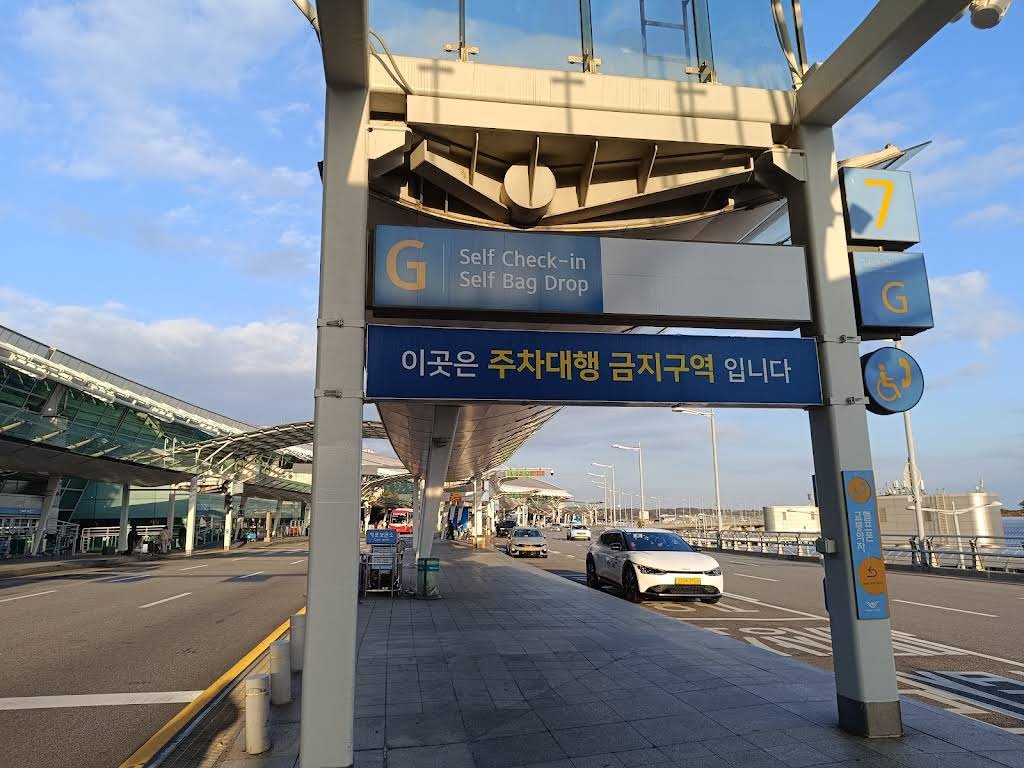
If you ever land at Incheon International Airport craving peace after a long journey, head straight to Spa On Air in Terminal 1. The place runs 24-hour, making it a perfect sanctuary for weary travelers on a tight layover who just crave quick relaxation. It’s located right within the airport, so there’s no need to exit security areas.
The vibe blends traditional Korean bathhouse experiences with modern comfort hot and cold baths infused with minerals, peaceful relaxation lounges, comfortable recliners, TVs, and Wi-Fi. There are dry and wet saunas, plus private sleeping rooms stocked with blankets, pillows, and wake-up call services for those needing rest between flights.
To refresh yourself, try the massages, facials, and skincare treatments handled by professional therapists. Everything is provided toiletries, towels, lockers, grooming stations, showers, charging ports, and space for electronic devices, making the stay totally hassle-free.
Just follow Korean spa etiquette: clothing is typically not worn in single-sex areas, and showering before entering the pools is required. The whole place stays respectful, maintaining a quiet atmosphere across all relaxation areas.
With Incheon airport sunset views, soothing services, and everything equipped and available, it’s easy to unwind, alleviating travel stress and fatigue before heading toward other adventures maybe even checking out things to do in boryeong south korea later on. Just pause, breathe, remember, and enjoy.
10- Visit the Incheon Open Port Museum
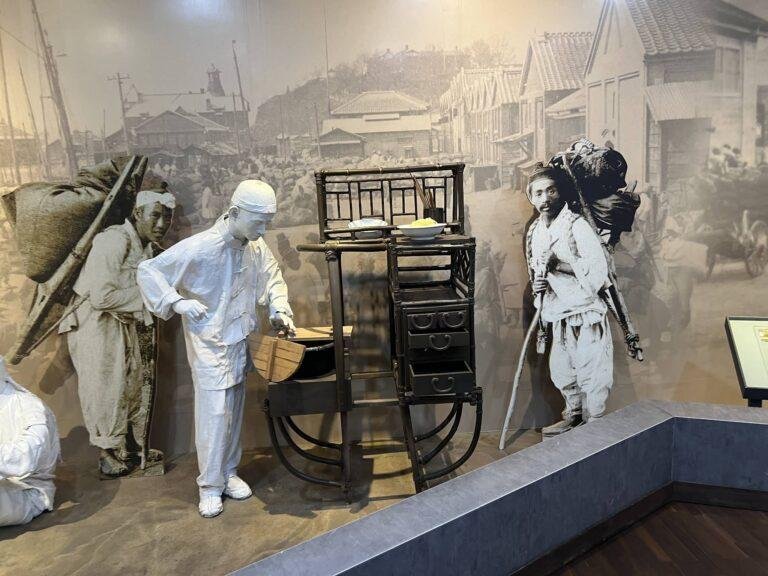
Walking into the Incheon Open Port Museum feels like stepping straight into the late 19th century and early 20th centuries, when the opening of Incheon’s ports changed the city forever.
Housed in a restored Japanese merchant building, it immediately pulls you in with its architectural details the tiled roofs, wooden beams, and intricate facade designs that hint at the bustle of merchants, diplomats, and locals who shaped Incheon’s role in Korea’s modernization.
Inside, the mix of exhibits, artifacts, photographs, and interactive displays lays out how foreign trade, economic developments, and cultural exchanges turned the port into a cosmopolitan hub.
You get a raw look into the complex history of foreign concessions, colonization, and the impact of foreign traders from Japan, China, and Western nations on local culture, architecture, and society.
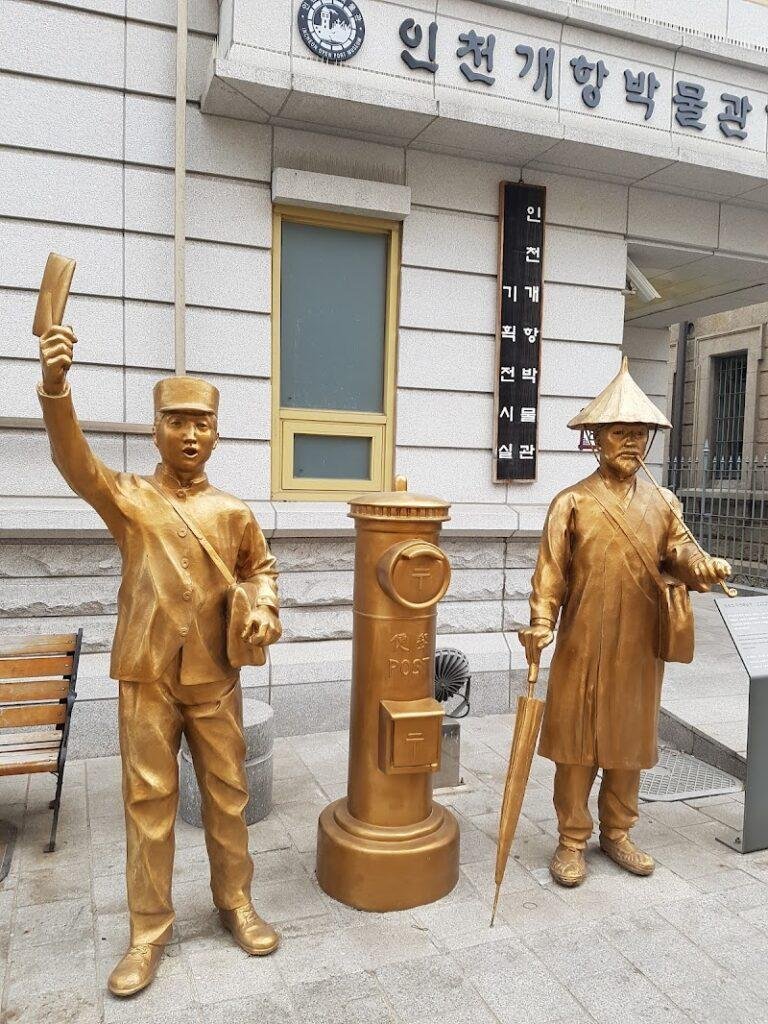
The museum’s multimedia presentations and guided tours add clarity and make the entire trip an educational experience, offering a clear view of the historical events and nuanced perspective behind them.
Once you step back outside, the story continues around the Open Port Area. With everything within walking distance, you can explore Jayu Park, Chinatown, the Former Japan Bank of Korea, and other nearby historical sites all blending into one comprehensive experience of Incheon’s past. Trust me: every corner here feels like another piece of the city quietly whispering how its modernization began.
Faqs
Is Incheon worth visiting?
Yes, Incheon is absolutely worth visiting. The city mixes bustling urban life with nostalgic charm, especially around the Open Port area, where old architecture meets colorful sights.
You can walk through Chinatown, explore streets filled with a fairytale vibe, and enjoy a delicious bowl of Jajangmyeon, which was first made here.
Why is Incheon famous?
Incheon is famous for being a gateway to Korea, thanks to its huge International airport and active port that connect the world to South Korea.
Travelers love the city’s unique blend of modern and historical experiences, from walking around the futuristic Songdo Business District to enjoying the historic streets of Chinatown, or relaxing by the water at Wolmido Island and the peaceful Incheon Grand Park with its natural sites.
It also holds a strong place in history. Incheon played a crucial role in the Korean War, especially as the site of the famous US landing, which became a major turning point.
As one of the first places in the region to open to the outside world, the city carries a deep historical identity that you can still feel today.
What can you do for free in Incheon?
You can enjoy Incheon without spending a won by exploring Wolmi Park, wandering its gardens, and taking in scenic views from the Observatory or G-Tower in Songdo.
The city also offers free access to arts at places like the Art Museum and creative Platform spaces in Central areas. These attractions are ideal for travelers on a budget, letting you Stroll, explore, and soak in sweeping sights of Korea at your own pace.
What is Incheon famous for food?
If you’re wondering what Incheon is famous for when it comes to food, think of its buzzing night markets where you can grab everything from crispy haemul pajeon pancake to sweet-spicy dakgangjeong and ultra-crunchy deep-fried chicken.
Snack stalls along the street corners always pull you in with the smell of tteokbokki, spicy rice cakes, stuffed Korean fried hot dogs, and quick bites like kimbap and rice rolls. You’ll also find locals lining up for blood sausage and sundae, and of course, a side of bold, punchy kimchi that ties everything together.
These dishes aren’t just trendy they’re a big part of Incheon’s everyday food culture. Whenever I’m in the city, I end up snacking my way through a whole market without even realizing it, because each stall feels like it has its own little story to tell through flavor.
What is the best time to visit Incheon?
Honestly, if you plan your visit to Incheon at the right time, the whole trip just hits different. I’ve gone during spring and fall, and both seasons felt ridiculously pleasant the kind of weather where the air is dry, the skies stay sunny, and the temperatures make you want to stay outside all day.
During April-June, I loved watching the cherry blossoms bloom, especially in parks where locals hang out after work. If you’re visiting mainly for the floral vibe, aim for late March, when the first petals start to bloom and everyone gets excited for warmer days.
But if you’re the type who prefers calm, golden scenery, the September-November stretch during fall gives Incheon this peaceful charm that makes even a slow walk feel like a mini escape.
Final Thought
Incheon hits different. Every corner of the city feels like it’s balancing old-school roots with futuristic energy, and somehow it all just works. From the red-lantern nostalgia of Chinatown to the sleek skyline views at Songdo, you’re constantly jumping between history, nature, culture, and pure feel-good fun without ever losing the city’s soul.
One minute you’re slurping jjajangmyeon where it was literally born, and the next you’re kayaking through a canal that looks straight out of a sci-fi movie.
What makes Incheon special isn’t just the attractions it’s the rhythm of the place. The parks breathe, the villages sparkle with personality, the islands slow you down, and even the airport spa is out here serving main-character energy. Whether you’re chasing scenery, stories, street food, or just some peaceful downtime, each spot adds another layer to the city’s personality.
By the time you’ve wandered through fairy-tale streets, traced the footsteps of history, fed rabbits on an island, hiked through ancient heritage, and soaked in a midnight airport bathhouse… you realize Incheon isn’t just somewhere to visit. It’s somewhere that stays with you quietly, colorfully, and in its own timeless way.